Two incidents, one pattern
In October and November 2026, two incidents showed that AI infrastructure is now a primary target, not a side effect:
- Railway. The deployment platform's full incident report says the attacker's primary target was AI provider keys, believed to be resold for model distillation. Railway estimates about $740,000 of unauthorized spend. (Our Railway rotation guide covers what to do.)
- GPUStack. On 9 November, CISA added CVE-2026-102895, an improper-authentication flaw in the open-source GPU cluster manager, to its Known Exploited Vulnerabilities catalog. Documented exploitation included attackers creating malicious backends.
The motive is simple. An AI key with a high spend limit is cash. A GPU cluster is expensive compute that someone else pays for. Both are often less protected than a database.
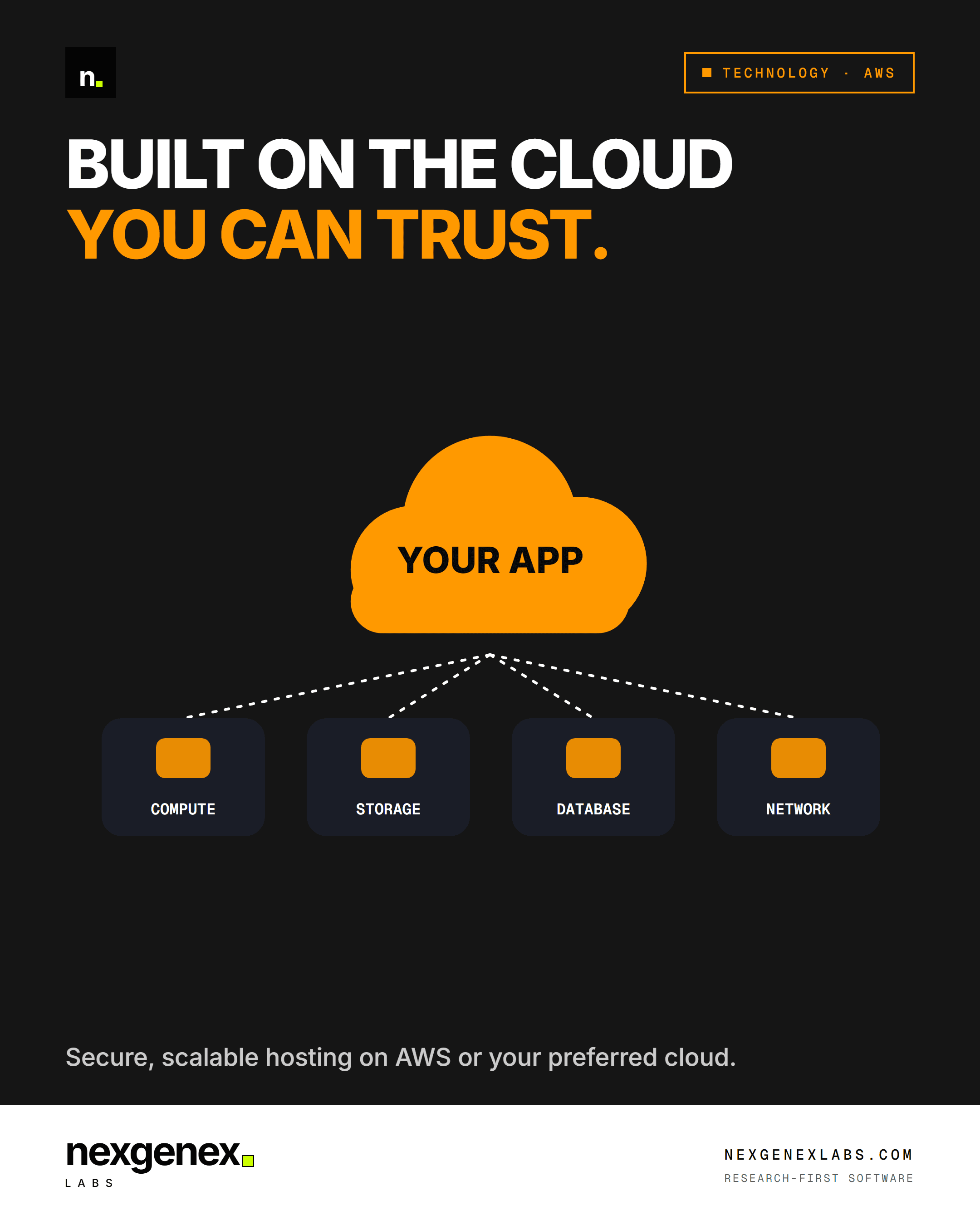
Save it. Share it with your team.
The short version of this post, ready for your Instagram Story or feed.
Why AI keys are an easy target
- They are powerful and long-lived. A single key often has full account access with no expiry.
- They spread. The same key ends up in
.envfiles, CI variables, notebooks, deployment platforms and laptops. - Abuse is quiet. Stolen keys don't break anything; the first sign is usually the invoice.
- Spend limits are often off or set far above real usage.
Securing model API keys
- Keep keys server-side only. Never ship one in a mobile app or browser bundle.
- Use a separate key per environment and per service, so one leak doesn't expose everything and you can revoke precisely.
- Store keys in a secrets manager (cloud KMS-backed or a vault), not in plain environment variables on shared platforms where you can avoid it.
- Set hard monthly spend limits and usage alerts at the provider, close to your real usage.
- Route calls through your own gateway that adds per-user rate limits, logging and a kill switch.
- Rotate on a schedule (for example every 90 days) and practise it, so emergency rotation is routine.
- Watch provider usage dashboards for unfamiliar models, regions or overnight spikes.
Securing GPU clusters and inference servers
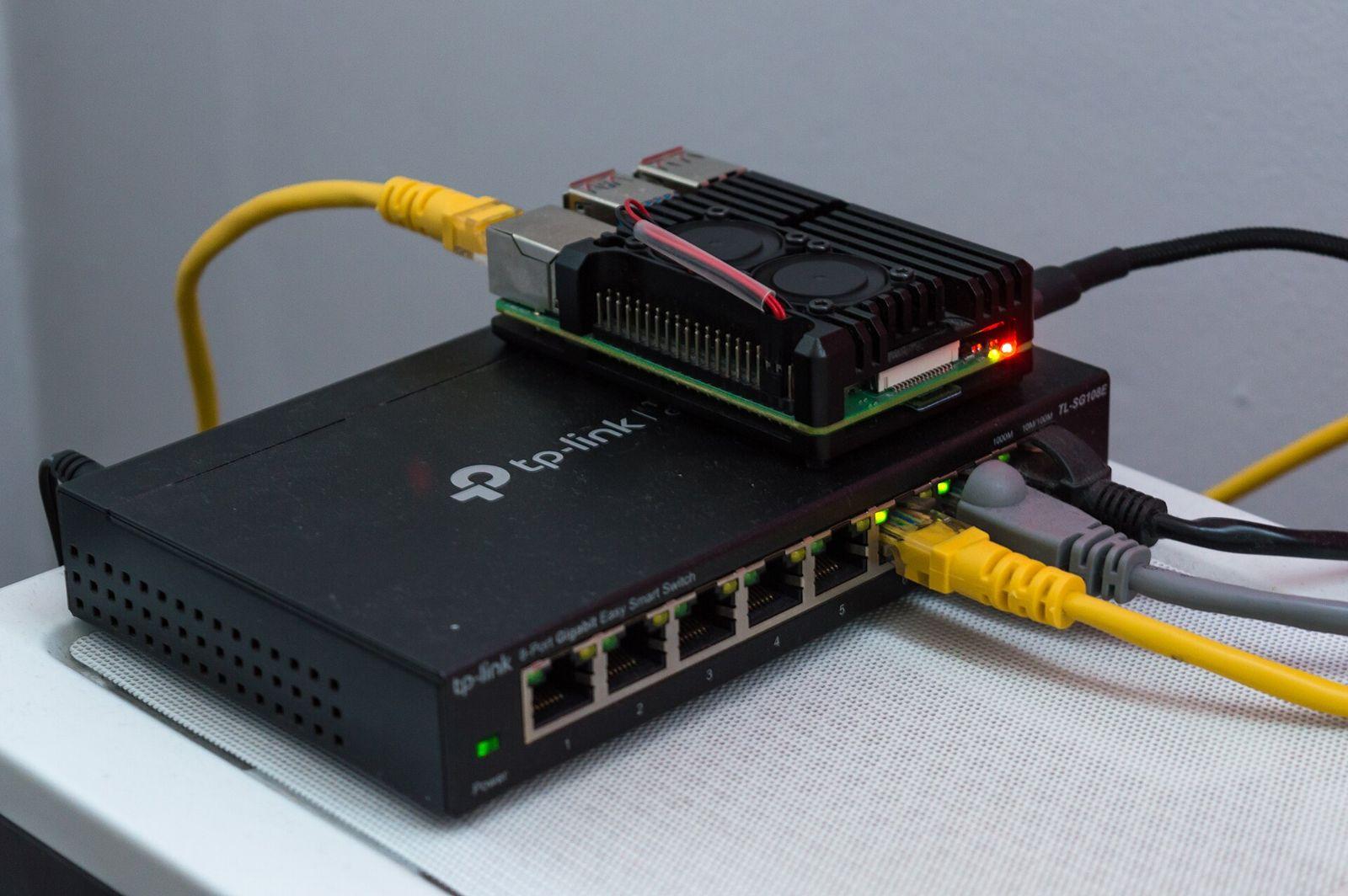
- Never expose admin consoles (GPUStack, Ray, Jupyter, model servers) directly to the internet. Put them behind a VPN or zero-trust access.
- Patch cluster managers and inference servers like any other internet-facing software. Subscribe to their security advisories.
- Use strong authentication and SSO for dashboards; remove default credentials.
- Allow-list which backends, images and models can be deployed, so an attacker can't register their own.
- Alert on GPU utilisation that doesn't match scheduled jobs; it is often the first sign of hijacked compute.
- Segment GPU nodes from the rest of your network and from data stores they don't need.
Treat your platforms as part of your attack surface
Railway's root cause was in its infrastructure: a build isolation escape and a misconfigured cloud identity binding. Customers did nothing wrong, and their keys were still taken. That is why scoping and spend limits matter: you can't control your vendor's bugs, but you can limit what a stolen key can do.
If you run multi-tenant AI features, also see Multi-Tenant RAG Isolation Patterns and FinOps for AI Workloads.
How Nexgenex Labs can help
We design and secure AI and automation systems and cloud infrastructure, from key management and gateways to GPU cluster hardening. Ask us for an AI security review.
Sources
Have a project like this in mind?
Talk To Our Team →